Why Malta
The case for a European flagship rests on demographics and imaging scarcity rather than on incentives.

The demand is already there
Malta is seeing rising rates of mental illness, rising rates of inflammatory disease including irritable bowel syndrome, endometriosis and rheumatoid arthritis, and an ageing population that brings Parkinson's disease and essential tremor with it. Those are not separate markets. They are the indication list for a neuromodulation clinic.
Imaging is the constraint
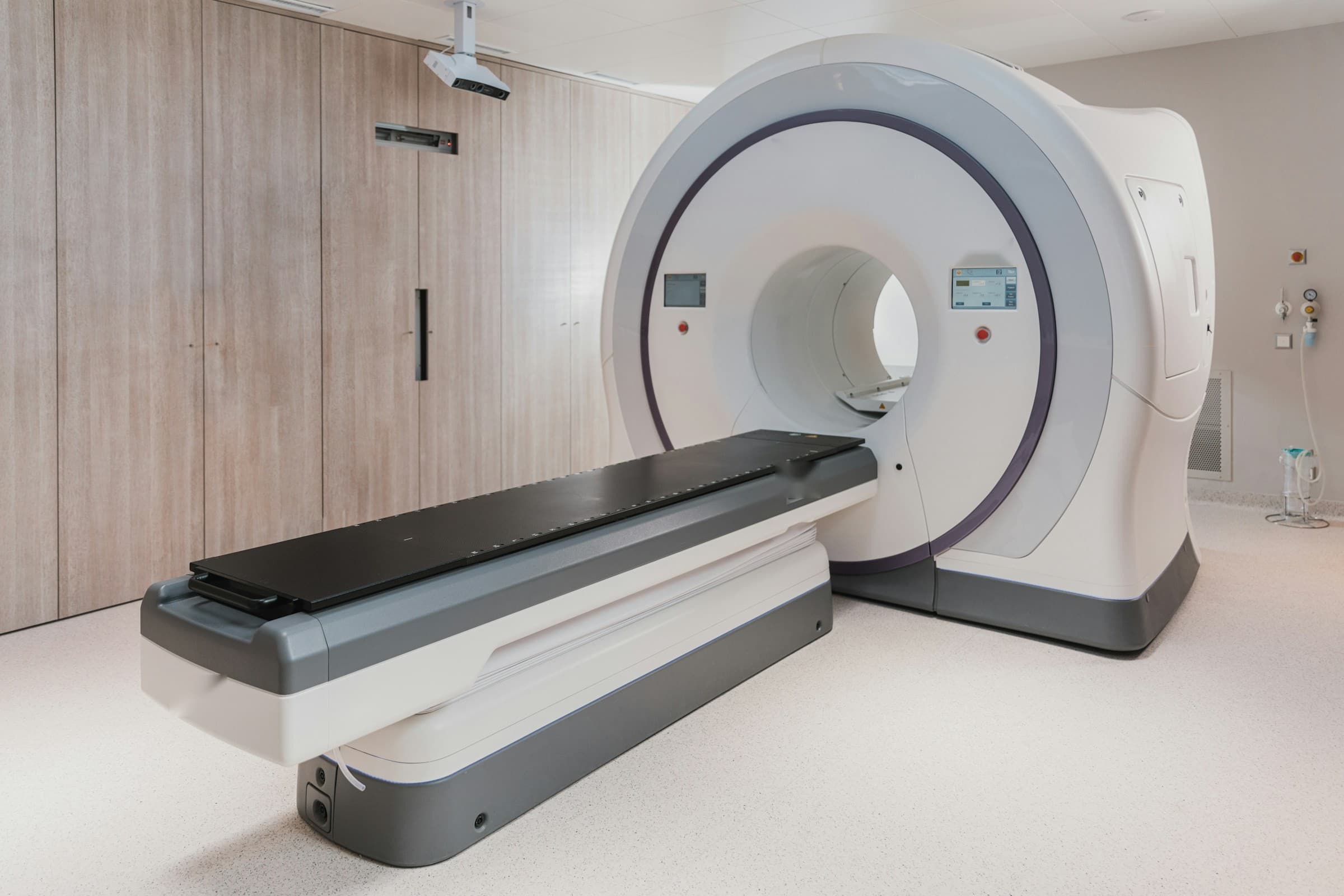
Population-scale targeted stimulation is limited by access to 3-Tesla functional MRI, and those machines sit almost entirely inside academic medical centres. Hospital psychiatry departments have markedly less access to imaging than cardiology or oncology do. Adding imaging capacity to the island is the precondition for everything else.
What a flagship commits to
The Malta facility represents a €35M real estate investment and thirty clinical specialists — general technicians, neurosurgeons, gastroenterologists, and internal medicine physicians — alongside a software engineering team. The intent is to raise capacity across Maltese medical centres, not only within one building.