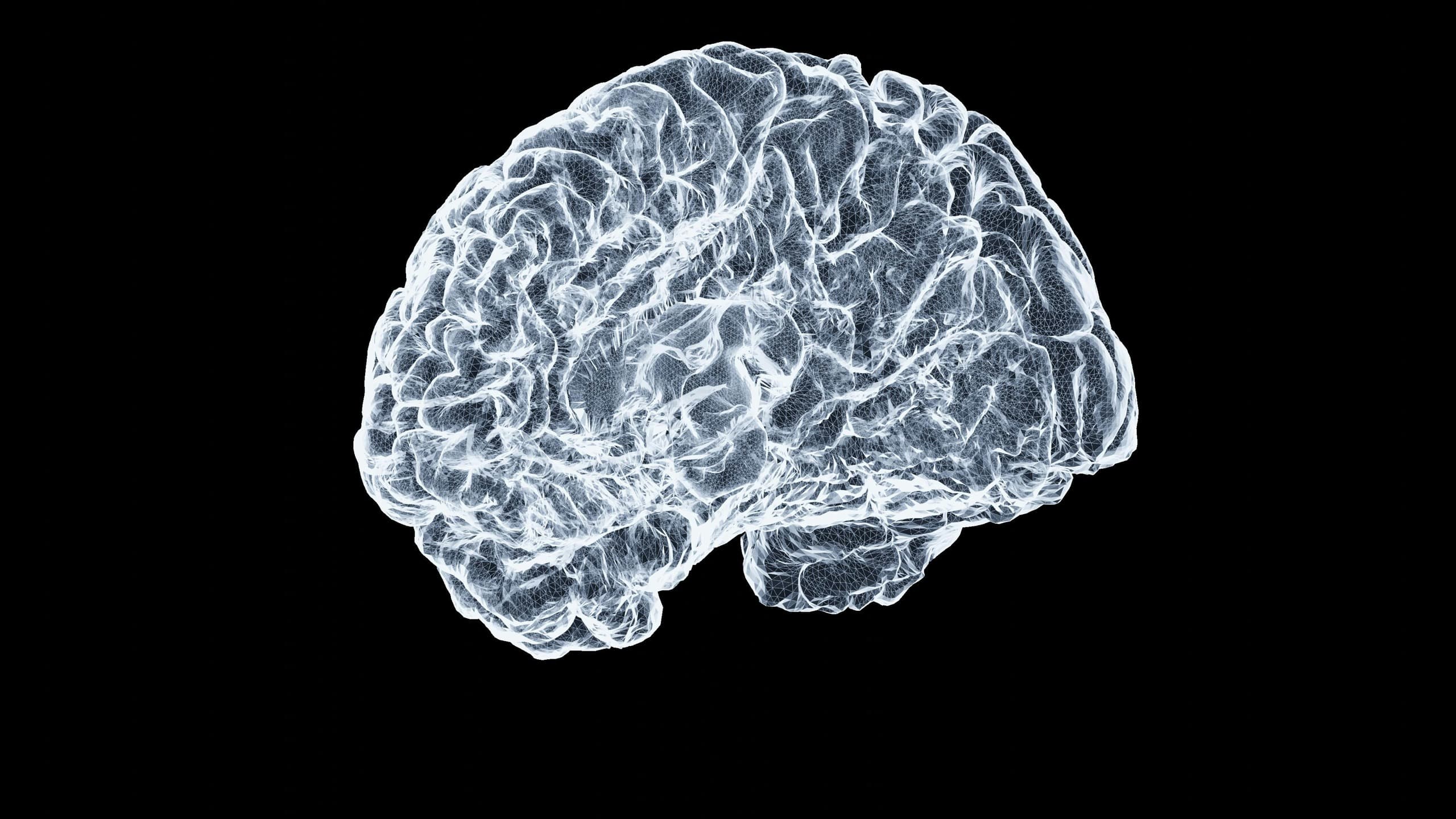
The Reimbursement Shift Behind Targeted Neuromodulation
Category III CPT codes for targeted central nervous system neuromodulation changed the economics of a treatment that patients had been funding themselves.
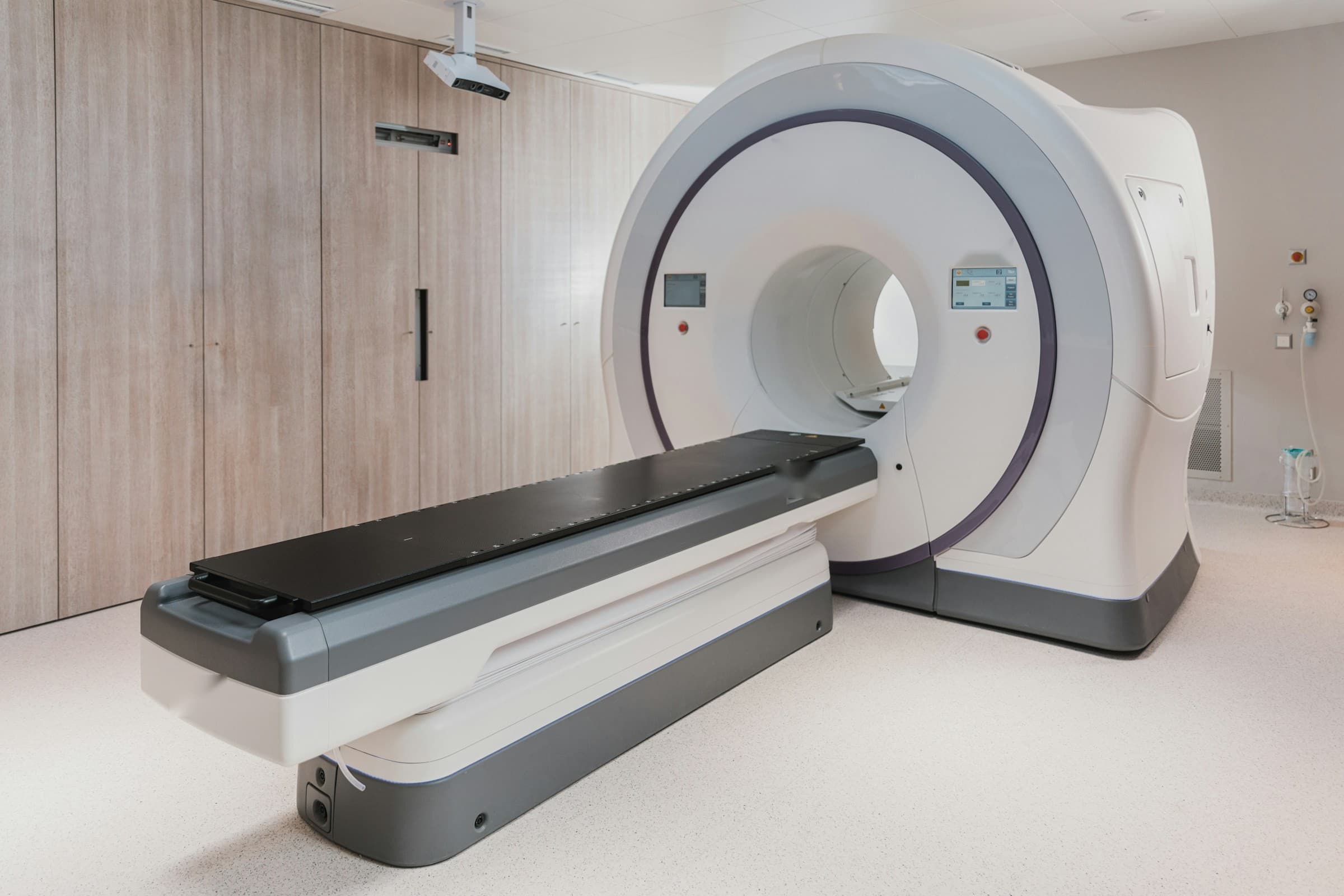
A procedure without a code is a procedure without a market
For most of its commercial life, targeted neuromodulation sat outside the reimbursement system. The therapy worked, the evidence accumulated, and patients paid out of pocket — in the United States, as much as seventy thousand dollars for a course of targeted stimulation. That is not a market. It is a boutique service with a waiting list of people who happen to have the means.
What changed
The publication of CMS Category III CPT codes for targeted central nervous system neuromodulation moved the therapy inside the system. New Technology APC 1511 allows hospitals to receive $19,703 per treatment course. A hospital can now build a business case for a stimulation programme using the same arithmetic it applies to any other service line.
Why it matters to infrastructure investors
Reimbursement converts clinical demand into predictable revenue, and predictable revenue is what makes capital-intensive infrastructure financeable. The addressable populations were always there: twenty-one million adults in the United States with major depressive disorder, thirty-five million with irritable bowel syndrome. What was missing was a mechanism to pay for treating them at scale.