From Approximation to Coordinates
Most stimulation today is delivered to a location estimated from the outside of the skull. Imaging makes it possible to aim.
How the target is found today
The prevailing method places the coil at a position approximated from external landmarks. It is a reasonable heuristic and it has carried the field a long way. It is also, unavoidably, an estimate — the same estimate applied to every head, regardless of how that particular brain is organised.
Navigating by the map instead of the stars
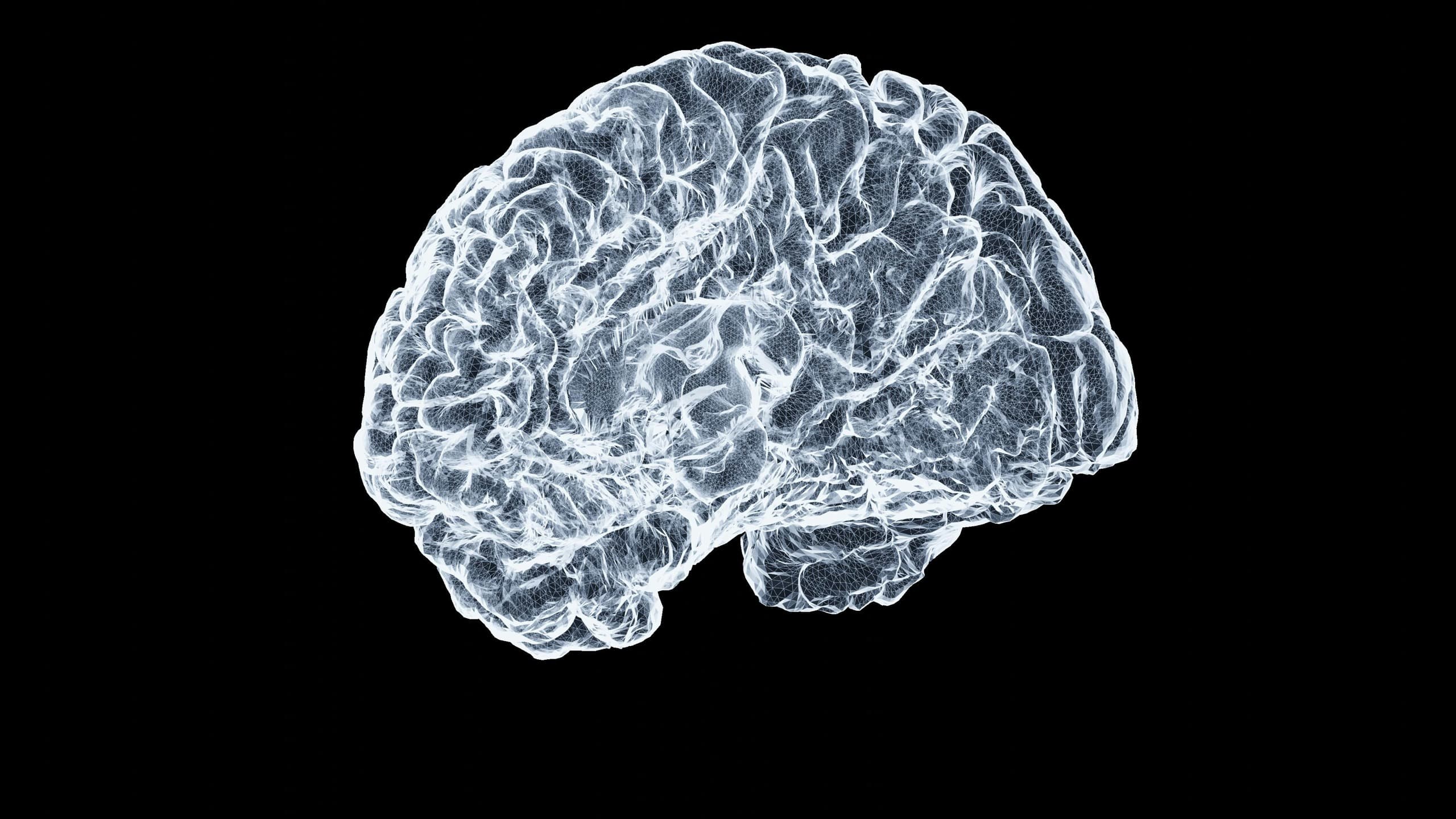
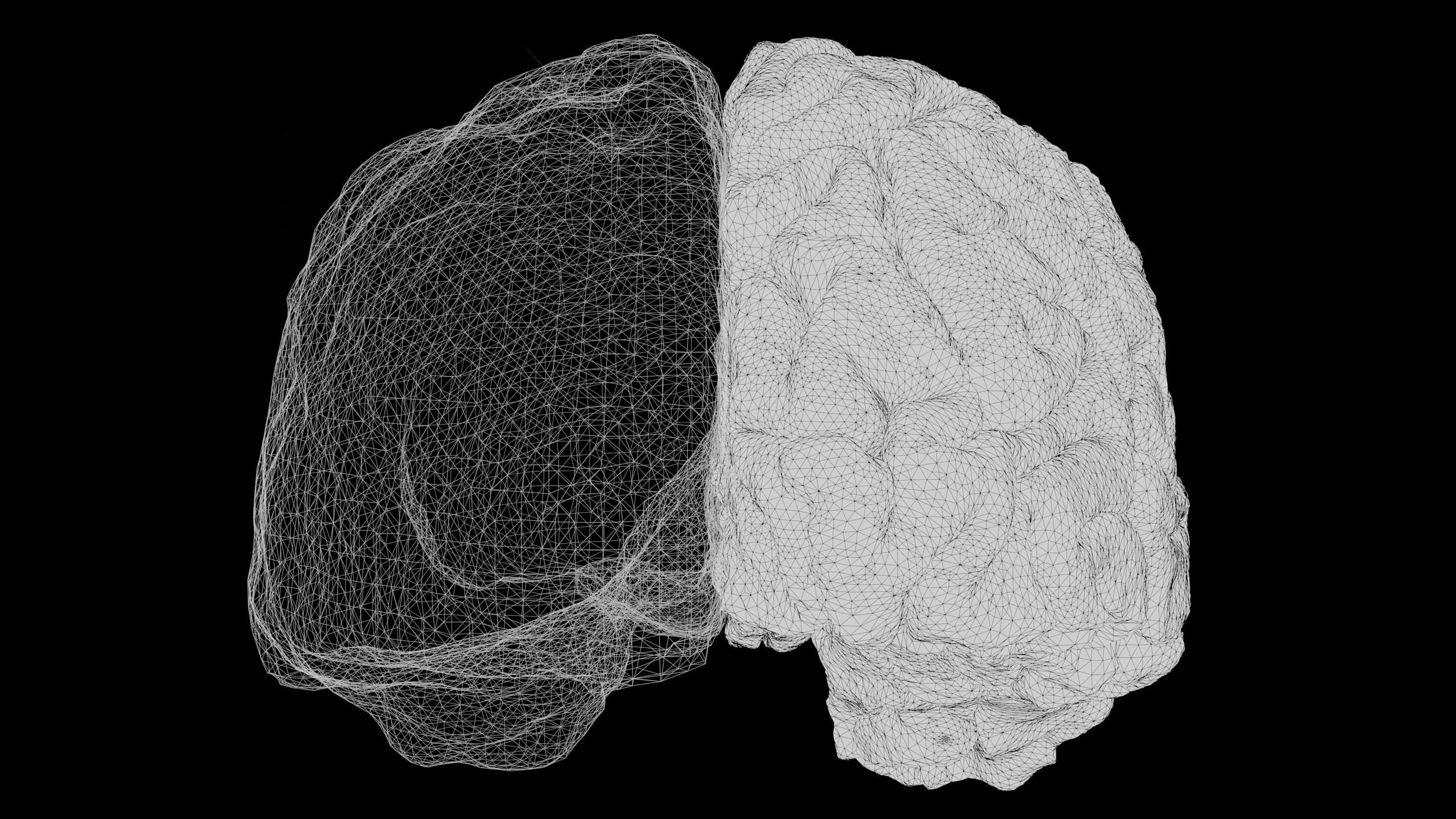
Structural and functional MRI make it possible to build a three-dimensional model of an individual brain and to compute a treatment coordinate within it, derived from the relationship between the dorsolateral prefrontal cortex and the subgenual anterior cingulate. Optical tracking then keeps the coil on that coordinate: a camera reads fiducials on the coil against fiducials fixed to the patient's forehead, so the device knows where it is in space.
The same map, more destinations
A targeting algorithm generalises in a way a single therapy does not. The coordinate logic that directs a stimulation coil can be adapted to identify an implantation target for deep brain stimulation electrodes, and onward to brain-computer interface placement. The imaging is the durable asset; the modality is what changes.