Brain Data and the Case for Entrustment
Brain data can serve as a proxy for emotional state. That makes it the most sensitive category of personal data, and the most valuable.
A different class of record
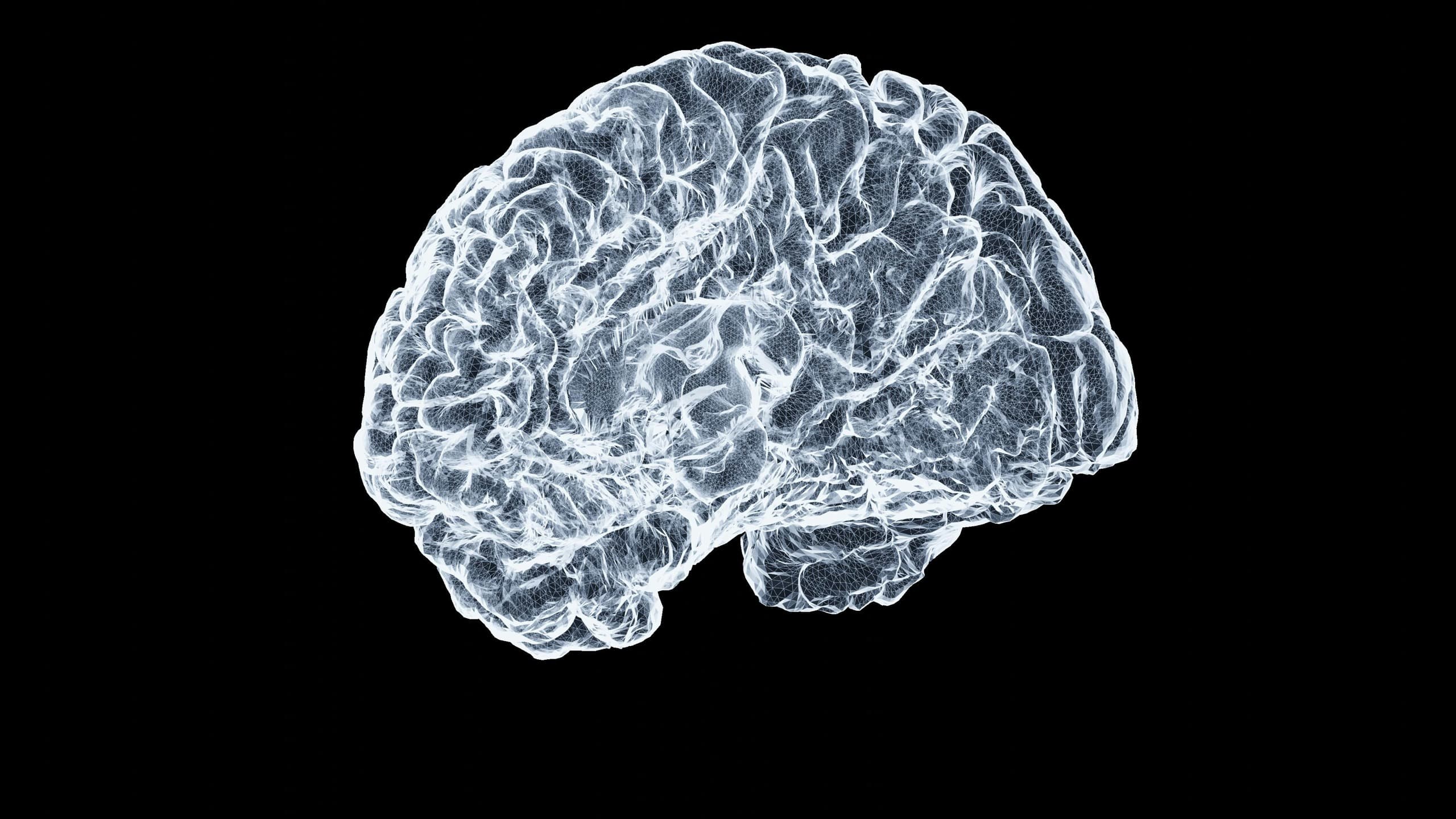
Neural recordings are not another medical record. Because they can be read as a proxy for an individual's emotional state, they carry implications that ordinary health data does not — for employment, for insurance, and in some jurisdictions for national security. Treating them under the same frameworks as a lab result understates the exposure.
Stewardship rather than storage
The proposal is entrustment: on completing treatment, a patient decides whether to place their brain data into a trust with a defined steward. That reframes the question from who holds the data to who is accountable for it, and it makes portability a design requirement instead of a concession.
Medicine across generations
Entrusted data has a second use. Held properly, it improves the accuracy of a patient's own later treatments — and, where families consent, the treatment of relatives. Personalised medicine has largely meant personalised to you, now. Data inheritance extends it to personalised to your family, over time.